Travel & Adventure
Travel and adventure represent more than just visiting new places—they’re transformative experiences that challenge our perspectives, build resilience, and create lasting memories. Whether you’re contemplating a weekend hiking trip, planning an expedition to a remote mountain range, or simply exploring more sustainable ways to reach your destination, understanding the fundamental principles can make the difference between a stressful ordeal and an enriching journey.
This comprehensive resource connects the essential elements every traveler should master: from selecting and vetting destinations to choosing appropriate transportation, preparing for challenging environments, selecting the right equipment, and traveling in ways that preserve the very places and cultures we seek to experience. Each decision you make—from timing your visit to packing your gear—shapes not only your personal experience but also your impact on the world around you.
Planning Your Next Adventure: Where and When to Go
The foundation of any successful journey begins long before you pack your bags. Thoughtful planning transforms uncertainty into confidence and helps you maximize both enjoyment and safety.
Developing a Methodology for Vetting Destinations
Not every destination suits every traveler, and learning to evaluate potential locations systematically saves time, money, and disappointment. A robust vetting process considers multiple factors simultaneously rather than relying on a single criterion like popularity or cost.
Start by assessing your personal priorities and constraints. Consider these key dimensions:
- Physical requirements: Does the destination demand a fitness level you currently possess or can reasonably achieve?
- Budget alignment: Beyond flights and accommodation, factor in daily costs, activity fees, and emergency reserves
- Cultural compatibility: Research local customs, language barriers, and social norms to ensure comfortable interaction
- Safety profile: Evaluate current political stability, natural hazards, and health considerations
- Environmental conditions: Understand climate patterns, altitude effects, and seasonal weather extremes
Think of this process like filtering coffee—each layer removes unwanted elements until you’re left with a refined selection that matches your specific tastes and needs.
Timing and Seasonal Considerations
When you travel often matters as much as where you go. The same destination can offer completely different experiences depending on the season, and strategic timing affects everything from costs to crowd levels and weather conditions.
Shoulder seasons—the periods just before or after peak tourist times—frequently offer the best balance. You’ll encounter fewer crowds, pay lower prices, and often experience more authentic local culture. However, some destinations have specific windows when certain experiences are only available: witnessing wildlife migrations, catching optimal weather for trekking, or experiencing cultural festivals.
Research historical weather patterns rather than relying on general seasonal descriptions. A destination’s “dry season” might still feature occasional storms, while “winter” can mean vastly different things depending on latitude and altitude. Understanding these nuances helps you pack appropriately and set realistic expectations.
Transportation: Making Informed Choices for Your Journey
How you reach your destination and move around once there significantly influences your experience, budget, environmental impact, and what you’re able to see and do.
Comparing Different Transport Modes
Each transportation method offers distinct trade-offs between speed, cost, comfort, environmental impact, and experiential value. Flying covers distances quickly but isolates you from the landscape; trains offer scenic routes and environmental benefits but require more time; buses provide economy but less comfort on long journeys.
For regional travel, consider these practical comparisons. A six-hour train journey might seem longer than a one-hour flight, but when you factor in airport security, early arrival requirements, and transit time to airports (often located outside city centers), the actual time difference shrinks considerably. Meanwhile, you’ve gained window views, legroom, the ability to move around, and typically a smaller carbon footprint.
When comparing costs, look beyond the ticket price. Budget airlines often add fees for baggage, seat selection, and even payment processing that can double the advertised fare. Conversely, train tickets might include amenities that flights charge extra for.
Optimizing Public Transport Use
Public transportation systems vary dramatically across destinations, but mastering them unlocks authentic local experiences while saving money and reducing environmental impact. The key lies in advance research and strategic planning.
Before arrival, identify the primary public transport options and their payment systems. Many cities now use contactless payment or require specific transit cards that can’t be purchased on vehicles. Download relevant apps, which often provide real-time updates, route planning, and mobile ticketing.
Consider multi-day passes if you’ll be making numerous trips—they often pay for themselves within two or three journeys while eliminating the mental effort of repeated ticket purchases. However, calculate your actual planned usage; sometimes pay-per-ride remains more economical for lighter travel days.
Overcoming Range Anxiety in Electric Travel
As electric vehicles become increasingly common in rental fleets and shared mobility options, understanding how to manage charging needs prevents unnecessary stress. Range anxiety—the fear of running out of battery before reaching a charging station—is often more psychological than practical, but preparation eliminates both.
Modern electric vehicles typically offer ranges exceeding 200 miles, sufficient for most daily travel scenarios. The solution involves shifting from a “gas station mindset” (filling only when nearly empty) to an “smartphone mindset” (topping up opportunistically). Charge overnight at accommodations, top up while having lunch, or charge during sightseeing stops rather than making dedicated charging trips.
Route planning apps now integrate charging station locations with journey planning. Before embarking on longer routes, identify charging points along your path and plan breaks around them. Most charging stations are located near amenities—restaurants, shops, rest areas—turning necessary charging time into enjoyable breaks rather than wasted waiting.
Preparing for Extreme Environments
Ventures into mountains, deserts, polar regions, or other challenging environments demand specialized preparation beyond typical travel planning. These environments amplify small mistakes into serious consequences while offering some of the most profound experiences available.
Physical and Mental Preparation
Your body and mind face unique stresses in extreme conditions, and preparation must address both dimensions simultaneously. Physical conditioning specific to your planned activities begins weeks or months beforehand, not days. Planning a high-altitude trek? Incorporate cardiovascular training and load-bearing exercises that mimic hiking with a backpack. Preparing for a desert expedition? Practice heat tolerance gradually and understand your hydration needs under exertion.
Mental preparation often receives less attention but proves equally critical. Extreme environments test patience, decision-making under stress, and emotional resilience. Visualization techniques—mentally rehearsing challenges you might face and your responses—build psychological readiness. Understanding that discomfort is temporary and expected helps you distinguish between normal challenge and genuine warning signs.
Consider these essential preparation steps:
- Consult healthcare professionals about environment-specific health concerns and necessary medications
- Build fitness gradually through training that mimics your planned activities
- Practice using all specialized equipment before departure
- Research psychological coping strategies for isolation, discomfort, or fear
- Develop contingency plans for various scenarios you might encounter
Understanding the Acclimatization Process
Acclimatization—your body’s gradual adaptation to environmental stresses like altitude, temperature extremes, or humidity—cannot be rushed without risking serious health consequences. At high altitudes, for example, your body needs time to produce more oxygen-carrying red blood cells and adjust breathing patterns. Attempting to ascend too quickly can result in altitude sickness, which ranges from uncomfortable to life-threatening.
The standard approach involves staged ascent: gain altitude gradually, include rest days at intermediate elevations, and follow the mountaineering principle of “climb high, sleep low” when possible. If you ascend 1,000 feet, your body needs time to adjust before climbing another 1,000 feet. Rushing this process doesn’t save time—it often forces retreat or medical intervention that delays your goals far more than proper pacing would have.
Recognize acclimatization signs versus warning symptoms. Mild headaches, slight breathlessness, and reduced appetite are normal during adjustment. Severe headaches, persistent nausea, disorientation, or extreme fatigue signal the need to descend immediately. Your itinerary must include flexibility for individual acclimatization rates, which vary based on genetics, fitness, prior exposure, and other factors beyond your control.
Essential Gear and Equipment Selection
The equipment you carry can mean the difference between comfort and misery, safety and danger. Yet many travelers either over-pack, bringing redundant items that add weight without value, or under-prepare, lacking critical gear when needed.
Effective gear comparison starts by understanding that expensive doesn’t always mean better for your specific needs. A premium ultralight tent makes sense for long-distance backpackers counting every ounce but offers little advantage over a moderately-priced option for car camping. Similarly, the latest high-tech jacket may include features you’ll never use while lacking the specific protection your climate demands.
Prioritize these factors when comparing equipment options:
- Fitness for purpose: Does it solve the specific challenge you face in your planned environment?
- Reliability: Will it perform consistently under the conditions you’ll encounter?
- Weight-to-value ratio: Does its benefit justify carrying it?
- Versatility: Can it serve multiple functions, reducing total items needed?
- Repairability: Can you fix it in the field if it fails?
Test all critical equipment before departure. Break in hiking boots, practice setting up your shelter, and ensure electronics charge properly with your power system. Discovering problems at home is an inconvenience; discovering them in remote locations can derail your entire journey.
Traveling Responsibly to Preserve What We Love
The places and cultures that attract us are often fragile, and our presence inevitably creates impact. Responsible travel means making conscious choices that minimize harm and, where possible, contribute positively to destinations and their communities.
Environmental responsibility extends beyond obvious actions like not littering. Consider your accommodations’ environmental practices, choose tour operators with demonstrated conservation commitments, and understand how your activities affect wildlife and ecosystems. Popular hiking trails suffer erosion from overuse; coral reefs damage easily from physical contact or chemical sunscreens; wildlife behavior changes when animals become habituated to human presence and food.
Cultural preservation requires similar mindfulness. Tourism dollars can sustain traditional practices and provide economic alternatives to environmentally destructive industries, but they can also commodify cultures and accelerate the loss of authentic traditions. Seek experiences that respect local agency and benefit communities directly rather than external operators. Learn basic phrases in local languages, understand and follow cultural norms around dress and behavior, and recognize that some places or ceremonies should remain private rather than becoming tourist attractions.
Responsible travel also means understanding your own limitations and not requiring rescue resources for preventable situations. Proper preparation, honest self-assessment, and conservative decision-making prevent accidents that endanger not only yourself but also the rescue personnel who must reach you and the pristine environments that helicopter extractions disturb.
Travel and adventure offer profound opportunities for growth, understanding, and connection—to nature, to diverse cultures, and to yourself. The decisions you make throughout the journey, from initial planning through transportation choices, preparation for challenges, equipment selection, and responsible practices, compound into experiences that range from forgettable to transformative. By approaching each element thoughtfully and continuously learning from both successes and setbacks, you develop the competence and confidence to pursue increasingly ambitious adventures while treading lightly on the world that makes them possible.
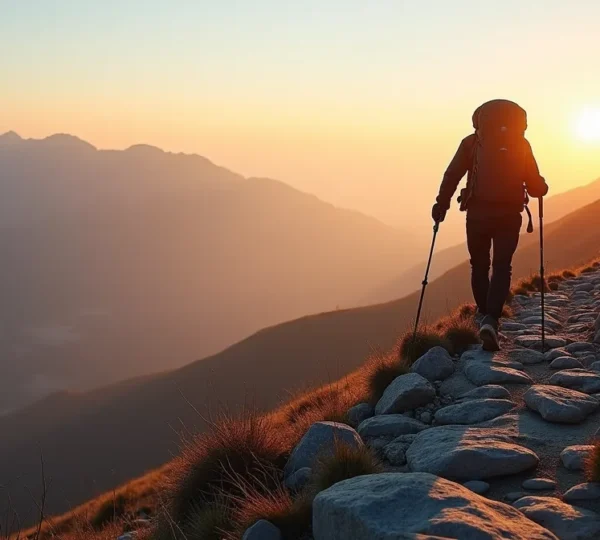
Preparing for High-Altitude Trekking: Safety and Conditioning for Sea-Level Hikers
Success at high altitude isn’t determined by your sea-level fitness, but by your strict adherence to the physiological rules of acclimatization. Your marathon-running fitness is largely irrelevant; the body must…
Read more
Authentic Ecotourism: How to Travel Without Contributing to Overtourism?
True ecotourism is less about reusable bottles and more about fundamentally rewiring how your money and presence impact a destination. Most tourist spending suffers from “economic leakage” and never reaches…
Read more