Home & Living
Your home is more than just four walls and a roof—it’s the stage where your daily life unfolds, influencing your mood, productivity, and overall well-being. Whether you’re settling into your first apartment, renovating a family home, or simply looking to enhance your current space, understanding the fundamentals of home and living transforms how you interact with your environment. The decisions you make about layout, materials, lighting, and storage don’t just affect aesthetics; they directly impact your comfort, energy costs, and even your health.
This comprehensive exploration covers the essential dimensions of creating a truly functional living space. From optimizing square footage and improving thermal comfort to selecting durable materials and integrating modern technology, each aspect works together to create a home that supports rather than hinders your lifestyle. Let’s examine the key principles that transform ordinary spaces into exceptional living environments.
Creating Functional Living Spaces
The foundation of any well-designed home lies in understanding how spaces are actually used. Many homeowners focus exclusively on aesthetics, only to discover that beautiful rooms can feel frustrating to live in when functionality is overlooked.
Understanding Usage Patterns and Flow
Think of your home as a choreographed performance where each room plays a specific role. Usage friction—those small annoyances that accumulate throughout your day—often stems from poor spatial planning. A kitchen where the refrigerator, sink, and stove form an inefficient triangle adds unnecessary steps. A bedroom closet positioned far from the bathroom creates morning bottlenecks. Identifying these friction points requires honest observation of your daily routines.
Start by tracking your movements during typical activities. Notice where you encounter obstacles, backtrack unnecessarily, or struggle to find adequate surface space. For instance, families with young children often benefit from implementing a drop zone near the main entrance—a dedicated area for shoes, bags, and keys that prevents clutter from migrating throughout the home. This simple intervention can eliminate the daily “where are my keys?” scramble.
Implementing Smart Home Hubs
Modern technology offers unprecedented opportunities to centralize control and enhance convenience, but the key lies in choosing systems that genuinely address your needs rather than adding complexity. A functional hub might control lighting, climate, security, and entertainment through a single interface, reducing the mental load of managing multiple systems.
When selecting connectivity solutions, consider your technical comfort level and the learning curve for all household members. The most sophisticated system provides little value if half your family can’t operate it. Start with one or two core functions—perhaps smart thermostats and lighting—before expanding into more comprehensive automation. The link between connectivity and practical value becomes clearer when technology fades into the background, working invisibly to support your preferences.
Comfort Through Energy Efficiency
True home well-being rests on a foundation of thermal comfort, air quality, and energy efficiency. These elements are deeply interconnected, and improvements in one area often yield benefits across all three.
The Science of Thermal Comfort
Human thermal comfort depends on more than just air temperature. Radiant heat, humidity levels, and air movement all contribute to how warm or cool you perceive a space to be. A room at 68°F (20°C) with drafty windows feels dramatically colder than the same temperature in a well-sealed space, because your body constantly loses heat to the cold glass surface.
This explains why scientific approaches to home comfort focus on the building envelope—the barrier between conditioned indoor space and the outside environment. Improving this barrier through proper insulation, air sealing, and window treatments often provides more cost-effective comfort improvements than upgrading heating and cooling equipment.
Humidity Control and Air Quality
The role of humidity in home comfort is frequently underestimated, yet maintaining levels between 30-50% relative humidity profoundly affects both health and structural integrity. Too low, and you experience dry skin, respiratory irritation, and increased susceptibility to illness. Too high, and you create ideal conditions for mold growth, dust mites, and material degradation.
Different seasons and climates present distinct challenges. Winter heating typically dries indoor air, while summer cooling can create condensation problems. Strategic use of humidifiers, dehumidifiers, and proper ventilation maintains this delicate balance. Even simple practices—like running bathroom exhaust fans during showers and using range hoods while cooking—significantly impact moisture management.
Insulation and Draft Prevention
When comparing insulation materials, three key metrics emerge: R-value (thermal resistance), moisture resistance, and longevity. Fiberglass batts offer affordability and ease of installation but lose effectiveness when compressed or wet. Spray foam provides superior air sealing and higher R-value per inch, though at increased cost. Cellulose, made from recycled paper, offers environmental benefits and effective cavity filling.
Draft sealing methodology requires systematic identification of air leaks. Common culprits include:
- Gaps around window and door frames
- Electrical outlets and switch plates on exterior walls
- Penetrations for plumbing, wiring, and venting
- Attic hatches and basement rim joists
- Fireplace dampers when not in use
A simple visual inspection combined with the “incense test”—watching smoke movement near suspected leaks—reveals problem areas. Sealing these gaps with appropriate caulk, weatherstripping, or spray foam often yields the highest return on investment of any home improvement project.
Maximizing Space Through Intelligent Design
Space constraints challenge homeowners across all property types, from compact urban apartments to suburban homes filled with accumulated possessions. The solution lies not in acquiring more square footage, but in using existing space more intelligently.
Vertical Storage Solutions
Most rooms remain dramatically underutilized in their upper reaches. While floor space receives constant attention, the area from shoulder height to ceiling often sits empty. Optimizing vertical storage transforms this wasted volume into functional capacity without consuming additional floor area.
Consider these approaches:
- Ceiling-height shelving: Floor-to-ceiling units provide significantly more storage than standard bookcases while maintaining a cleaner visual line
- Wall-mounted systems: Floating shelves, pegboards, and track systems adapt to changing needs without permanent structural modifications
- Over-door organizers: The back of every door represents untapped storage potential for everything from shoes to cleaning supplies
- Loft spaces: High-ceilinged rooms can accommodate overhead platforms for seasonal storage or sleeping areas
Design Strategies for Small Spaces
Maximizing small living spaces through intelligent design requires thinking beyond simple storage solutions. Multi-functional furniture—Murphy beds, extendable dining tables, storage ottomans—allows spaces to shift purpose throughout the day. A home office becomes a guest room; a dining area transforms into a workspace.
Strategic use of mirrors and lighting creates perceived spaciousness that transcends actual dimensions. A well-placed mirror effectively doubles visual depth, while layered lighting (ambient, task, and accent) adds dimensionality that flat overhead lighting cannot achieve. Light colors on walls and ceilings reflect rather than absorb light, making rooms feel more open and airy.
Common storage mistakes to avoid include over-furnishing spaces with bulky pieces, neglecting dead corners and awkward nooks, and failing to edit possessions regularly. A ruthless approach to decluttering—keeping only items that serve a clear purpose or bring genuine joy—often accomplishes more than elaborate organizational systems.
Interior Design Fundamentals
Beyond functionality lies the realm of aesthetics—the visual and tactile qualities that transform functional spaces into inviting environments. Effective interior design balances personal expression with principles that create coherent, comfortable atmospheres.
Texture Layering Techniques
The methodology for texture layering involves combining different material surfaces to create depth and interest. A room furnished entirely with smooth, hard surfaces feels cold and uninviting, while excessive soft textures can appear cluttered and difficult to maintain. The goal is thoughtful variety.
Start with larger foundational textures—flooring, wall treatments, and upholstery—then add layers through rugs, throw pillows, curtains, and decorative objects. Mixing materials like rough-hewn wood with smooth metal, nubby linen with sleek leather, or matte ceramics with glossy glass creates visual rhythm. Each texture catches and reflects light differently, adding complexity even within monochromatic color schemes.
Managing Visual Harmony
Avoiding visual clutter requires understanding the difference between intentional display and accidental accumulation. The eye needs places to rest; rooms packed with competing focal points create anxiety rather than interest. Professional designers often apply the “subtract one” rule—after arranging a space, remove one element to prevent overcrowding.
Establish clear focal points in each room, then arrange supporting elements to complement rather than compete with them. In living rooms, this might be a fireplace, prominent window, or entertainment center. Use color repetition to create visual flow—if blue appears in artwork, echo it in pillows or accessories. Maintain consistent style within rooms while allowing personality to shine through curated collections rather than scattered randomness.
Extending Living to Outdoor Spaces
Outdoor areas represent valuable extensions of interior living space, offering opportunities for relaxation, entertainment, and connection with nature. Thoughtful design maximizes usability across seasons while minimizing maintenance burdens.
Shade Structures and Climate Management
Comparing shade structures requires evaluating permanence, adjustability, and aesthetic integration. Permanent pergolas add architectural interest and property value but offer limited flexibility. Retractable awnings provide weather-responsive coverage that extends or retracts based on conditions. Large umbrellas offer portable, economical shading that repositions as the sun moves.
Timing the transition to outdoor living depends on your climate and the infrastructure you’ve created. In temperate regions, extending the season requires addressing temperature regulation through features like outdoor heaters, fire pits, or ceiling fans. Strategic plantings can block wind while maintaining desirable views, creating microclimates that remain comfortable beyond typical outdoor season boundaries.
Selecting Durable Outdoor Furniture
Outdoor furniture faces relentless assault from UV radiation, moisture, temperature fluctuations, and biological threats like mold and insects. Selecting pieces for long-term durability and return on investment means comparing material properties honestly:
- Teak and eucalyptus: Natural oils resist moisture and insects; develops attractive patina; requires periodic cleaning and optional oiling
- Powder-coated aluminum: Lightweight, rust-proof, modern aesthetic; can show scratches; limited color refresh options
- All-weather wicker: Resin construction resists fading and moisture; comfortable appearance; check frame construction quality
- Marine-grade stainless steel: Exceptional durability; higher initial cost; contemporary styling
Methodology for maintenance varies by material, but consistent care dramatically extends lifespan. Even weather-resistant furniture benefits from covers during harsh weather, periodic cleaning to prevent mildew establishment, and protected winter storage in extreme climates.
Material Selection and Longevity
Every surface, fixture, and furnishing in your home represents a decision point where initial cost must be weighed against durability, maintenance requirements, and long-term satisfaction. Understanding these trade-offs prevents costly mistakes.
Comparing Material Properties
When comparing material durability, consider the specific stresses each surface will endure. Kitchen countertops face heat, moisture, staining agents, and cutting impacts. Flooring must withstand abrasion, moisture (in some rooms), and constant traffic. Upholstery resists wear, staining, and fading.
For high-traffic flooring, porcelain tile and luxury vinyl offer exceptional durability with minimal maintenance, while hardwood provides timeless beauty at the cost of refinishing needs. In kitchens, quartz engineered stone combines beauty with practical resilience, requiring no sealing unlike natural granite or marble. The “best” material emerges from honest assessment of your lifestyle, maintenance commitment, and budget constraints.
Maintenance for Extended Lifespan
Optimizing the lifespan of home materials requires preventive rather than reactive approaches. Regular, simple maintenance prevents the deterioration that necessitates expensive replacements. A systematic methodology might include:
- Monthly tasks: HVAC filter changes, drain cleaning, fixture inspection for leaks
- Seasonal tasks: Gutter cleaning, caulk inspection, outdoor furniture preparation
- Annual tasks: Deep carpet cleaning, exterior painting touch-ups, appliance servicing
- Multi-year tasks: Deck refinishing, driveway sealing, interior repainting
Avoiding durability issues often comes down to using products as intended and addressing small problems before they escalate. Water stains don’t spontaneously appear—they result from ignored leaks. Flooring doesn’t suddenly fail—it gradually deteriorates from inadequate protection or cleaning with inappropriate products.
Lighting and Security Integration
Modern lighting solutions accomplish dual purposes: creating appropriate illumination for activities while simultaneously enhancing security and aesthetics. The emergence of wireless technologies has democratized sophisticated systems previously requiring professional installation.
Wireless Security Solutions
Enhancing security and aesthetics without electrical wiring has become remarkably accessible through battery-powered and solar technologies. Motion-activated lights deter potential intruders while illuminating pathways for residents. Smart doorbells with integrated cameras and two-way communication provide remote monitoring without running video cables. Window and door sensors trigger alerts without drilling through walls for wiring.
The impact on security extends beyond deterrence. Well-lit exteriors eliminate hiding spots and signal occupancy. Strategic placement—focusing on entry points, dark corners, and valuable items visible through windows—provides comprehensive coverage without overlighting. Many wireless systems integrate with smartphones, allowing real-time monitoring and control from anywhere.
Strategic Lighting Design
The process for light hygiene involves creating layers that serve different functions while avoiding harsh, unflattering illumination. Ambient lighting provides overall illumination, task lighting supports specific activities like reading or cooking, and accent lighting highlights architectural features or artwork.
Timing the illumination throughout daily cycles supports circadian rhythms and energy efficiency. Bright, cool-toned light in morning spaces promotes alertness. Warm, dimmer evening lighting encourages relaxation and prepares bodies for sleep. Smart bulbs and programmable switches automate these transitions, though simple habits—opening blinds during daylight hours, dimming lights after dinner—accomplish similar benefits.
Consider the often-overlooked impact of color temperature. Measured in Kelvins, 2700-3000K produces warm, yellowish light suitable for living spaces and bedrooms, while 4000-5000K creates cool, bluish light appropriate for task-oriented spaces like home offices and workshops. Mismatched color temperatures within connected spaces create jarring transitions that undermine visual harmony.
Bringing It All Together
Creating a home that truly supports your lifestyle requires balancing numerous considerations—functionality and beauty, immediate costs and long-term value, personal preferences and practical constraints. The strategies explored here provide a framework for approaching decisions systematically rather than reactively.
Remember that transformation doesn’t require complete overhauls. Small, thoughtful improvements compound over time. Sealing drafts improves comfort while reducing energy costs. Optimizing storage reduces daily frustration. Strategic lighting enhances both security and ambiance. Each enhancement builds upon others, gradually transforming your space into an environment that actively contributes to your well-being rather than merely housing your possessions.
The most successful homes evolve alongside their occupants. Regular assessment—questioning whether spaces still serve their intended purposes, whether materials show concerning wear, whether new technologies might address persistent annoyances—keeps your environment aligned with your changing needs. Your home represents your largest investment and most intimate environment. Approaching it with intentionality and informed decision-making ensures it remains a source of comfort, pride, and functionality for years to come.
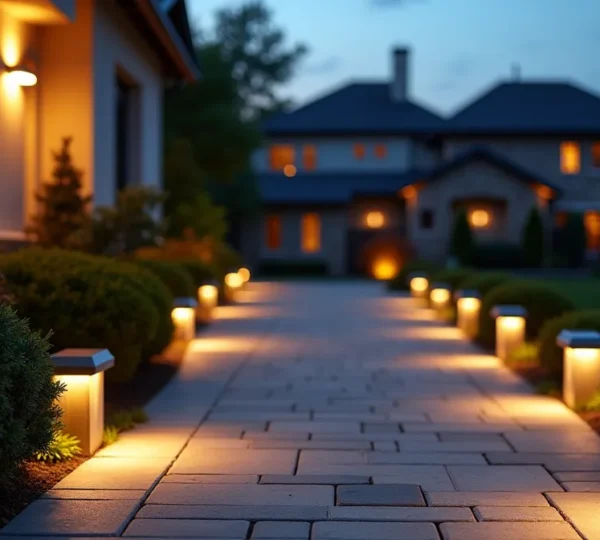
Achieve Professional Curb Appeal with DIY Solar Pathway Lighting
In summary: Professional solar lighting is a system, not just a product. It combines security, power management, and design principles. Overcome shady areas by using remote solar panels to separate…
Read more
Weatherproof Furniture Investment: A Material Analysis for 10+ Winter Survival
The true cost of “affordable” patio furniture is measured in replacements; a materials-first approach focusing on defeating specific failure mechanisms is the only path to long-term value. Cheap sets fail…
Read more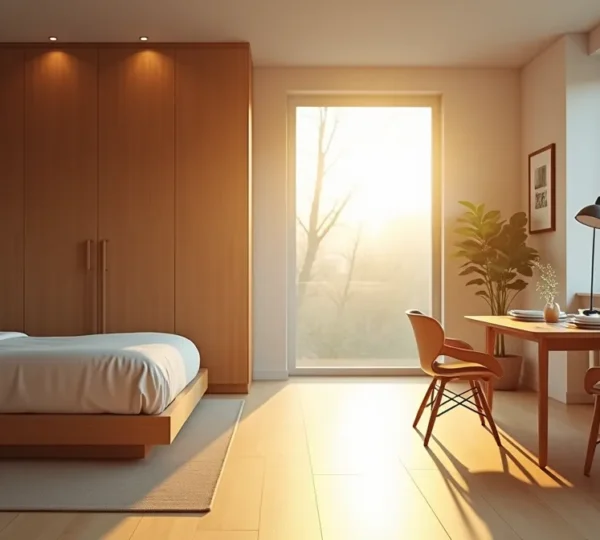
Reclaim 30% of Your Floor Space: The Studio Dweller’s Guide to Spatial Engineering
Modular furniture isn’t about saving space; it’s a system of spatial engineering designed to reclaim up to 30% of your apartment’s usable floor area. Effective planning requires mapping the “kinetic…
Read more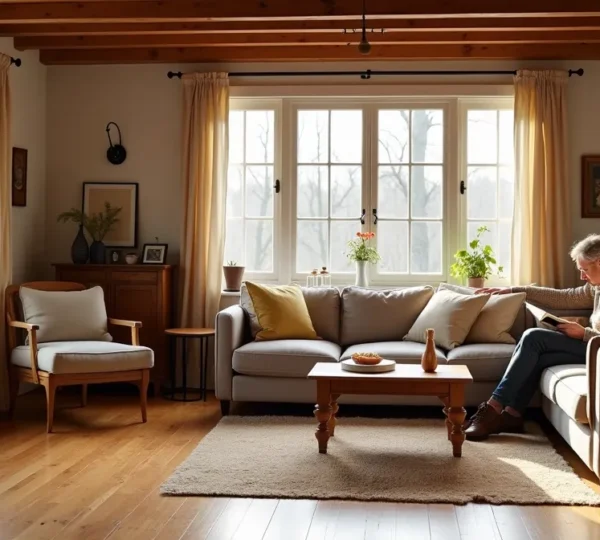
Achieving Optimal Thermal Comfort in Older Homes Without Replacing the HVAC System
Contrary to common belief, making an old house comfortable isn’t about a more powerful furnace; it’s about mastering the physics of your building’s envelope. The temperature you feel is dramatically…
Read more