Lifestyle & Leisure
The way we structure our days, design our environments, and invest our time shapes not just our immediate comfort, but our long-term fulfillment. Lifestyle and leisure encompass far more than weekend hobbies or interior decoration—they represent the deliberate choices we make about how we inhabit our spaces, nurture our bodies, calm our minds, and align our daily rhythms with our deeper values. In an era where the boundaries between work, rest, and personal growth increasingly blur, understanding these elements becomes essential to crafting a life that feels both intentional and sustainable.
This exploration brings together the psychological principles behind our environments, the physiological foundations of wellness routines, the mental practices that restore us, and the practical considerations that make sustainable living accessible. Whether you’re rethinking the layout of your home office, seeking more restorative sleep patterns, or wondering how small daily choices accumulate into meaningful change, the insights here connect the dots between seemingly separate domains of modern living.
Designing Spaces That Support Your Well-being
Our physical environments function as silent partners in our mental and emotional states. The spaces we inhabit—whether for work, rest, or creative pursuits—constantly communicate with our nervous systems, either supporting focus and calm or contributing to distraction and stress.
The Psychology Behind Home Environments
The concept of psychological restoration in domestic spaces centers on how specific environmental features help us recover from mental fatigue. Research in environmental psychology demonstrates that elements like natural light quality, texture variation, and spatial organization directly influence cortisol levels and cognitive recovery. A cluttered environment, for instance, doesn’t just offend aesthetic sensibilities—it creates a persistent low-level cognitive load, as your brain continuously processes unfinished tasks and visual stimuli competing for attention.
Consider lighting as a foundational element rather than an afterthought. The interplay between ambient, task, and accent lighting creates psychological zones within your home. Warm-toned lighting in the evening supports melatonin production and signals the body toward rest, while cooler, brighter light in morning spaces can help regulate circadian rhythms. Texture adds another dimension: incorporating varied materials—smooth ceramics alongside rough linens, polished wood contrasting with woven textiles—provides sensory richness that feels instinctively more restorative than uniformly smooth, synthetic surfaces.
Workspaces That Foster Genuine Engagement
The shift toward flexible work arrangements has revealed a crucial insight: workspace design profoundly affects not just productivity, but the quality of collaboration and innovation. Spaces designed for genuine interaction balance three essential elements:
- Zones for focused work: Areas with reduced visual distractions, appropriate acoustic treatment, and ergonomic support for sustained concentration
- Collaboration areas: Spaces that encourage spontaneous conversation through proximity and informal seating, without the rigidity of formal conference rooms
- Restorative corners: Quiet zones for mental recovery, ideally with natural elements or views that allow attention to wander constructively
The timing of meetings within these spaces matters as much as their design. Scheduling collaborative sessions during natural energy peaks—typically mid-morning for most people—and protecting deep focus time during individual high-performance windows creates a rhythm that respects biological realities rather than fighting them. The most effective workspace design acknowledges that human attention operates in cycles, not as a constant resource.
Physical Wellness and Daily Routines
Physical well-being extends far beyond sporadic gym sessions or weekend activity bursts. It emerges from the consistent patterns we establish—the micro-decisions about movement, nourishment, and recovery that compound over weeks and months into either vitality or depletion.
Balancing Performance with Sustainable Practices
For those pursuing higher levels of physical performance while managing professional responsibilities, the central challenge isn’t finding more hours in the day—it’s understanding training periodization and energy allocation. Think of your physical capacity as a battery that requires strategic depletion and recharge rather than constant draining.
Effective training blocks operate on cycles that mirror natural recovery processes. A well-designed program might emphasize:
- Loading phases: Concentrated periods of increased training stress, typically lasting three to four weeks
- Recovery weeks: Reduced volume allowing physiological adaptation to occur, preventing cumulative fatigue
- Maintenance phases: Moderate, consistent activity preserving gains without demanding peak recovery resources
The professional integrating serious training learns to align intense physical blocks with lighter work periods when possible, and to recognize that skipping a recovery week to “push through” typically backfires within a month. Your body adapts during rest, not during the stress itself—a principle many disciplines acknowledge but few consistently practice.
The Architecture of Daily Routines
Rather than viewing routines as rigid schedules, consider them as behavioral infrastructure—frameworks that reduce decision fatigue while remaining adaptable to daily variations. A morning routine might consistently include hydration, movement, and focused attention, but the specific expression varies with your energy, schedule, and context.
The most sustainable routines share common characteristics: they’re triggered by existing habits (drinking water after your alarm, stretching before your coffee), they’re brief enough to survive disrupted days, and they’re linked to intrinsic rewards rather than purely outcome-driven. The person who stretches because it makes their body feel more awake tends to maintain the practice longer than someone stretching solely to achieve flexibility goals months away.
Mental Clarity and Restorative Practices
If physical wellness provides the foundation, mental practices offer the architecture for navigating daily complexities with greater ease and presence. These aren’t exotic techniques reserved for retreats—they’re accessible tools for managing the inevitable stresses of contemporary life.
Meditation Techniques for Deep Rest
The landscape of meditation practices contains distinct approaches suited to different needs and temperaments. Body scan meditation systematically releases accumulated physical tension, making it particularly effective before sleep. Focused attention practices—concentrating on breath, a mantra, or visual object—strengthen the capacity to redirect wandering thoughts, building what researchers call attentional control.
Mantra-based techniques leverage the rhythm and vibration of repeated sounds or phrases to occupy the verbal-analytical mind, creating space for deeper states of rest. The specific mantra matters less than the consistency of practice and the quality of sound—ideally something with natural rhythm that doesn’t trigger associative thinking. Common examples include traditional syllables like “so-hum” or simple phrases in your native language that carry personal resonance without emotional charge.
Addressing Social Jetlag and Sleep Architecture
Social jetlag—the misalignment between biological rhythms and social schedules—affects a significant portion of the population, particularly those with naturally later chronotypes forced into early schedules. The consequences extend beyond morning grogginess: chronic circadian misalignment correlates with metabolic issues, mood disturbances, and cognitive performance deficits.
Practical strategies for minimizing social jetlag include:
- Maintaining consistent wake times even on free days, varying by no more than an hour from workday schedules
- Front-loading light exposure in the morning to anchor circadian rhythms, especially during darker months
- Creating a wind-down protocol in the evening that reduces blue light exposure and cognitive stimulation
- Strategically timing caffeine intake to avoid interference with adenosine clearance in late afternoon
Quality rest isn’t a luxury to optimize after everything else succeeds—it’s the foundation enabling everything else to function effectively.
Sustainable Choices in Everyday Life
Sustainability in lifestyle contexts means examining the ripple effects of daily decisions, understanding where individual actions genuinely matter, and avoiding the psychological trap of rebound effects that undermine well-intentioned changes.
Micromobility and Transportation Choices
The emergence of micromobility options—electric scooters, bikes, and other lightweight personal transport—represents more than a technological novelty. These tools reconfigure the practical radius of car-free travel, particularly for the “middle distances” between walkable and car-dependent.
Choosing the right micromobility option depends on your specific context: distance of regular trips, storage capacity, weather patterns, and local infrastructure. An electric bicycle with cargo capacity might replace car trips for errands within a three-mile radius, while a compact folding scooter serves the last-mile connection between public transit and final destinations. The environmental benefit materializes when these tools genuinely replace motorized trips rather than substituting for walking or adding to total travel.
Preventing Rebound Effects
Rebound effects occur when efficiency gains get offset by increased consumption—buying an efficient vehicle but driving it more, or improving home insulation then heating to higher temperatures. Awareness of this psychological tendency helps implement sustainable changes more effectively.
The antidote involves tying efficiency improvements to explicit limits or redirected savings: cycling to work and depositing gas savings into a dedicated account, or channeling time saved from optimized routines into practices that genuinely restore you rather than filling the space with more obligations. The goal isn’t austerity, but intentionality about where gains actually accumulate.
Crafting a Lifestyle That Reflects Your Values
Beyond optimizing individual domains, the deeper work involves integrating these elements into a coherent whole that feels authentic rather than assembled from trending practices.
Exploring Wellness Philosophies and Disciplines
Various wellness traditions offer different frameworks for thinking about balance and health. Eastern approaches might emphasize energy flow and seasonal alignment, while Western exercise science focuses on measurable adaptations and progressive overload. Comparing disciplines isn’t about declaring winners, but recognizing which philosophical foundations resonate with your temperament and circumstances.
Someone drawn to structured progression might thrive with periodized training programs and quantified metrics. Another person might find greater sustainability in practices emphasizing intuitive movement and present-moment awareness. Neither approach is inherently superior—effectiveness depends on alignment with your actual patterns of motivation and natural inclinations.
Practical Crafts and Seasonal Rhythms
Hands-on practices like fermentation or gardening offer unique value in increasingly digital lives. The methodology of fermentation—whether vegetables, bread, or beverages—teaches patience and attunement to biological processes operating on their own timelines. You can’t rush bacterial cultures or yeast activity; you can only create favorable conditions and observe.
Similarly, timing the planting of vegetables or herbs connects you to seasonal cycles and local climate patterns in ways that abstract knowledge never achieves. These practices aren’t merely productive hobbies—they’re embodied learning experiences that cultivate attention, patience, and direct engagement with natural processes increasingly absent from modern routines.
Ultimately, lifestyle and leisure choices work best when they form an integrated ecosystem rather than a collection of isolated optimizations. The home environment that supports your sleep naturally influences your energy for morning routines. Your physical practices affect mental clarity. Your values around sustainability shape daily transportation choices. Recognizing these connections allows you to make adjustments in one area that create positive ripples throughout your entire life structure, building momentum toward a way of living that feels genuinely aligned rather than perpetually optimized.
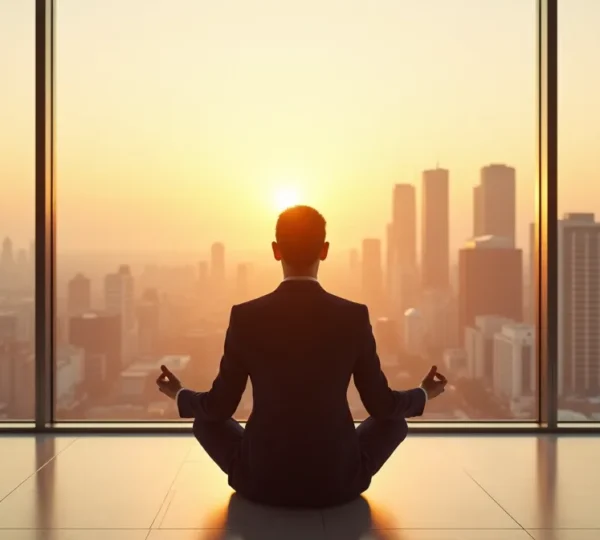
Transcendental Meditation for Executives: Reducing Cortisol Without Losing Your Edge
The key to managing executive stress isn’t forcing your mind to be quiet; it’s using a specific technique to trigger a state of profound physiological rest that traditional relaxation cannot…
Read more
Choosing Sustainable Spas: Wellness Treatments That Are Safe for You and the Planet
A truly sustainable spa experience goes beyond organic lotions; it’s about understanding the hidden environmental and chemical footprint of every treatment you receive. Many spas engage in “greenwashing,” using vague…
Read more
Why Is Hygge the Best Antidote for Seasonal Affective Disorder in Winter?
Hygge’s power against Seasonal Affective Disorder isn’t in buying more blankets, but in mastering sensory regulation. Warm, low-level lighting biochemically reduces evening stress hormones like cortisol. Layering textiles and managing…
Read more
Balancing Competitive Sports and a Full-Time Career Without Burning Out
The relentless push in both the boardroom and on the field is a direct path to burnout, not peak performance. The solution isn’t better time management; it’s smarter physiological load…
Read more
How to Design Collaborative Hubs That Genuinely Boost Team Efficiency
The highest-performing collaborative hubs are not designed for looks, but are engineered as psychological landscapes that minimize cognitive friction and maximize psychological safety. Traditional designs like static meeting rooms and…
Read more