Environment & Sustainability
Environmental sustainability has evolved from a niche concern to a defining challenge of our time. As climate patterns shift, resources face unprecedented pressure, and ecosystems strain under human activity, the need for informed action has never been more urgent. Yet amid the complexity of environmental issues, a fundamental truth remains: sustainable practices offer not just ecological benefits, but economic opportunities, enhanced quality of life, and long-term resilience for communities worldwide.
Understanding sustainability means grasping the interconnected systems that shape our environmental impact. From the energy powering our homes to the daily choices shaping our consumption patterns, from the design of outdoor spaces to the verification of environmental claims, each element plays a vital role. This comprehensive exploration examines the core principles and practical approaches that empower individuals, organizations, and communities to make meaningful progress toward a sustainable future.
Transforming Energy Use for a Sustainable Future
Energy consumption stands at the heart of environmental sustainability, accounting for a substantial portion of global carbon emissions and resource depletion. The transition from fossil-fuel dependency to cleaner alternatives represents both an environmental imperative and an economic opportunity, offering reduced operating costs alongside diminished ecological impact.
Making the Economic Case for Clean Energy
The financial argument for transitioning energy consumption has strengthened considerably in recent years. Renewable energy systems now frequently achieve cost parity with conventional sources, while offering protection against volatile fuel prices. Consider a typical household investing in solar panels: initial capital expenditure may seem substantial, but lifetime savings often exceed installation costs by significant margins. Beyond direct savings, clean energy adoption creates ancillary benefits including increased property values, reduced maintenance requirements compared to traditional heating systems, and potential revenue from excess energy fed back to grid networks.
Building Energy Independence
Energy independence extends beyond national policy to practical household application. Achieving greater autonomy involves a systematic approach:
- Energy audit completion to identify consumption patterns and inefficiency sources
- Progressive implementation of renewable generation capacity matched to actual usage
- Integration of storage solutions to address intermittency challenges
- Behavioral modifications that align consumption with renewable generation peaks
This progression transforms energy users into active participants in a distributed energy ecosystem, reducing vulnerability to supply disruptions while lowering environmental footprint.
Optimizing Home Energy Systems
The timing and management of heating cycles exemplifies how thoughtful system operation multiplies efficiency gains. Rather than maintaining constant temperatures regardless of occupancy or external conditions, intelligent heating management adapts to usage patterns and weather forecasts. A well-programmed system might pre-heat spaces using cheaper off-peak electricity, leverage thermal mass to maintain comfortable temperatures during expensive peak periods, and reduce output when buildings are unoccupied. These strategies, combined with proper insulation and air sealing, can reduce heating energy consumption by substantial margins without compromising comfort.
Individual Actions That Create Collective Impact
While systemic change requires institutional action, individual choices aggregate into powerful collective outcomes. The challenge lies in identifying which personal modifications deliver meaningful results versus those offering primarily symbolic value.
Understanding Your Environmental Footprint
Effective reduction begins with accurate analysis. Consumption pattern assessment reveals surprising insights: the occasional long-haul flight may dwarf months of diligent recycling; dietary choices often outweigh transportation decisions; heating and cooling typically surpass all other household electricity uses combined. Think of your environmental footprint like a financial budget—without tracking actual expenditure, efforts to reduce spending target guesswork rather than reality. Tools ranging from detailed carbon calculators to utility bill analysis help identify the true impact sources worthy of attention.
Prioritizing Changes That Matter Most
Not all sustainable actions offer equal returns. High-impact changes share common characteristics: they address major consumption categories, create lasting rather than temporary effects, and often deliver co-benefits beyond environmental gains. Strategic prioritization might follow this hierarchy:
- Major energy efficiency improvements (insulation, heating system upgrades, renewable energy adoption)
- Transportation modifications (vehicle choice, commute alternatives, flight reduction)
- Dietary adjustments (reducing animal product consumption, minimizing food waste)
- Consumption reduction (purchasing less, choosing durable goods, embracing repair over replacement)
- Waste stream optimization (recycling, composting, material choices)
This framework directs limited time and resources toward interventions delivering measurable results rather than dispersing effort across marginal gains.
Eliminating Waste at the Source
Single-use items represent a particularly visible sustainability failure, but addressing them requires thinking beyond individual purchasing decisions. The most effective approach follows the waste hierarchy: refuse unnecessary items first, then reduce, reuse, and only finally recycle. A simple shift like carrying reusable containers, bags, and utensils eliminates hundreds of disposable items annually. Even more impactful, choosing products with minimal packaging, buying in bulk, and selecting items designed for longevity fundamentally changes the waste equation. Remember that upstream prevention always surpasses downstream management—the best waste is that which never exists.
Compensating and Verifying Environmental Impact
For emissions that cannot currently be eliminated through direct action, carbon offsetting provides a mechanism to balance unavoidable impacts. However, the credibility of offset programs varies dramatically, making understanding and verification essential.
How Carbon Offsetting Works
Carbon offset programs fund activities that remove or prevent greenhouse gas emissions equivalent to those generated elsewhere. These activities might include reforestation projects that sequester atmospheric carbon, renewable energy installations that displace fossil fuel generation, or methane capture systems that prevent potent greenhouse gases from entering the atmosphere. When purchasing offsets, you’re essentially financing environmental improvements that wouldn’t occur without that funding. The challenge lies in ensuring the claimed reductions are real, additional, permanent, and accurately measured.
Ensuring Credibility and Transparency
Robust verification methodology separates legitimate offset programs from ineffective ones. Credible programs demonstrate additionality—proving the funded activity wouldn’t have happened anyway—through financial analysis and regulatory baseline assessment. They employ third-party verification by accredited auditors, maintain transparent registries preventing double-counting, and account for permanence risks (such as reforested areas potentially burning). Established certification standards provide helpful screening tools, but informed consumers also examine project-specific documentation, implementation timelines, and local stakeholder engagement. Verification transforms offsetting from symbolic gesture to measurable environmental contribution.
Designing with Nature: Microclimates and Outdoor Spaces
Sustainable design extends beyond technology to encompass how we shape physical spaces, particularly the relationship between buildings and their surrounding landscapes. Strategic outdoor design harnesses natural processes to regulate temperature, reduce energy consumption, and create resilient, comfortable environments.
Harnessing Natural Temperature Regulation
Thoughtfully designed outdoor spaces function as climate moderators, reducing heating and cooling demands through passive mechanisms. Deciduous trees planted strategically on a building’s south and west sides (in Northern Hemisphere contexts) provide summer shade while allowing winter sun penetration after leaf fall. Pergolas with climbing vegetation create similar seasonal variation. Water features leverage evaporative cooling during hot periods. Even surface material choices matter: reflective paving reduces heat absorption, while permeable surfaces enhance cooling through moisture retention. These elements combine to create outdoor rooms that extend usable space while diminishing building energy requirements—a compelling example of design working with rather than against natural systems.
Understanding Microclimate Principles
Microclimates—the localized atmospheric conditions differing from surrounding areas—emerge from interactions between sun exposure, wind patterns, vegetation, water, and surface materials. A sheltered courtyard might remain comfortable on a windy day; a shaded north-facing wall stays cool during summer heat; a dark stone surface radiates warmth on autumn evenings. Microclimate science helps predict and intentionally create these variations. By mapping sun angles throughout seasons, analyzing prevailing wind directions, and understanding heat absorption and reflection properties, designers can position elements to amplify beneficial conditions and mitigate harsh ones. This knowledge transforms random landscape arrangements into purposeful climate-responsive systems.
Strategic Windbreak Implementation
Wind significantly impacts both human comfort and building energy consumption, making windbreaks powerful sustainability tools. Effective windbreak design follows specific principles:
- Optimal height-to-distance ratios (protection extends roughly ten times the barrier height)
- Appropriate density (40-60% porosity typically outperforms solid barriers by reducing turbulence)
- Multi-row plantings for extended protection zones
- Species selection matching local conditions and providing year-round effectiveness
A well-designed windbreak can reduce heating energy consumption by notable percentages in exposed locations, while also preventing soil erosion, creating wildlife habitat, and increasing property comfort and value. The methodology combines understanding of fluid dynamics with practical horticulture, demonstrating how traditional practices find validation through contemporary environmental science.
Navigating Environmental Claims and Greenwashing
As sustainability gains mainstream attention, environmental claims proliferate across marketing materials, product packaging, and corporate communications. Unfortunately, not all assertions withstand scrutiny. Greenwashing—the practice of conveying misleading impressions about environmental credentials—has become increasingly sophisticated, requiring informed skepticism to navigate effectively.
Common greenwashing tactics include vague terminology without substantiation (“eco-friendly,” “natural,” “green” used without specific meaning), irrelevant claims (highlighting one minor positive attribute while ignoring major negative impacts), hidden trade-offs (promoting recycled content while overlooking toxic manufacturing processes), and outright fabrication. To avoid these traps, look for specific, quantifiable claims backed by third-party certification from recognized standards bodies. Examine whether companies demonstrate environmental commitment through operational practices beyond marketing, including supply chain transparency, meaningful emissions reduction targets, and honest communication about ongoing challenges. Comparing similar products using standardized environmental labels helps cut through marketing noise to identify genuine sustainability leaders.
Remember that perfect environmental solutions rarely exist; authentic sustainability involves continuous improvement and honest acknowledgment of remaining impacts. Organizations transparent about limitations while demonstrating measurable progress deserve greater credibility than those claiming flawless environmental credentials.
Environmental sustainability ultimately rests on informed action guided by scientific understanding, practical implementation, and honest assessment. Whether transforming energy systems, refining personal consumption, investing in verified offsets, designing climate-responsive spaces, or evaluating environmental claims, each domain offers opportunities for meaningful contribution. The journey toward sustainability is not a destination but an ongoing process of learning, adapting, and improving—one where individual understanding multiplies through collective action to create lasting positive change.

Creating Bioclimatic Areas: How to Cool Your Garden by 5°C Naturally?
Cooling your garden isn’t about adding isolated shade elements; it’s about engineering a living, integrated thermal system that actively manages its environment. Replace heat-absorbing hardscapes with high-performance living structures and…
Read more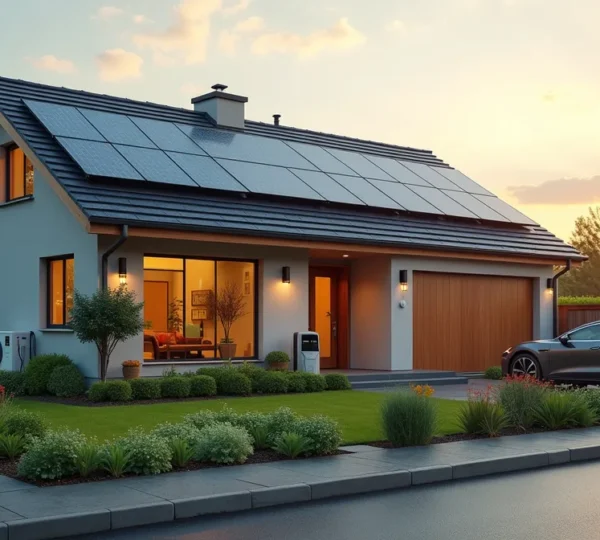
Beyond Recycling: A Practical Guide to Cutting Your Family’s Carbon Footprint by 40% in One Year
Slashing your household carbon footprint by 40% is less about sacrifice and more about making strategic, high-leverage decisions. Your daily diet’s carbon impact often outweighs your car’s, but not for…
Read more
Calculating the Real ROI of Your Low-Carbon Energy Transition
Calculating your energy transition’s ROI isn’t about comparing old bills to new quotes; it’s a full strategic audit of your business’s future. The cost of inaction, driven by rising carbon…
Read more